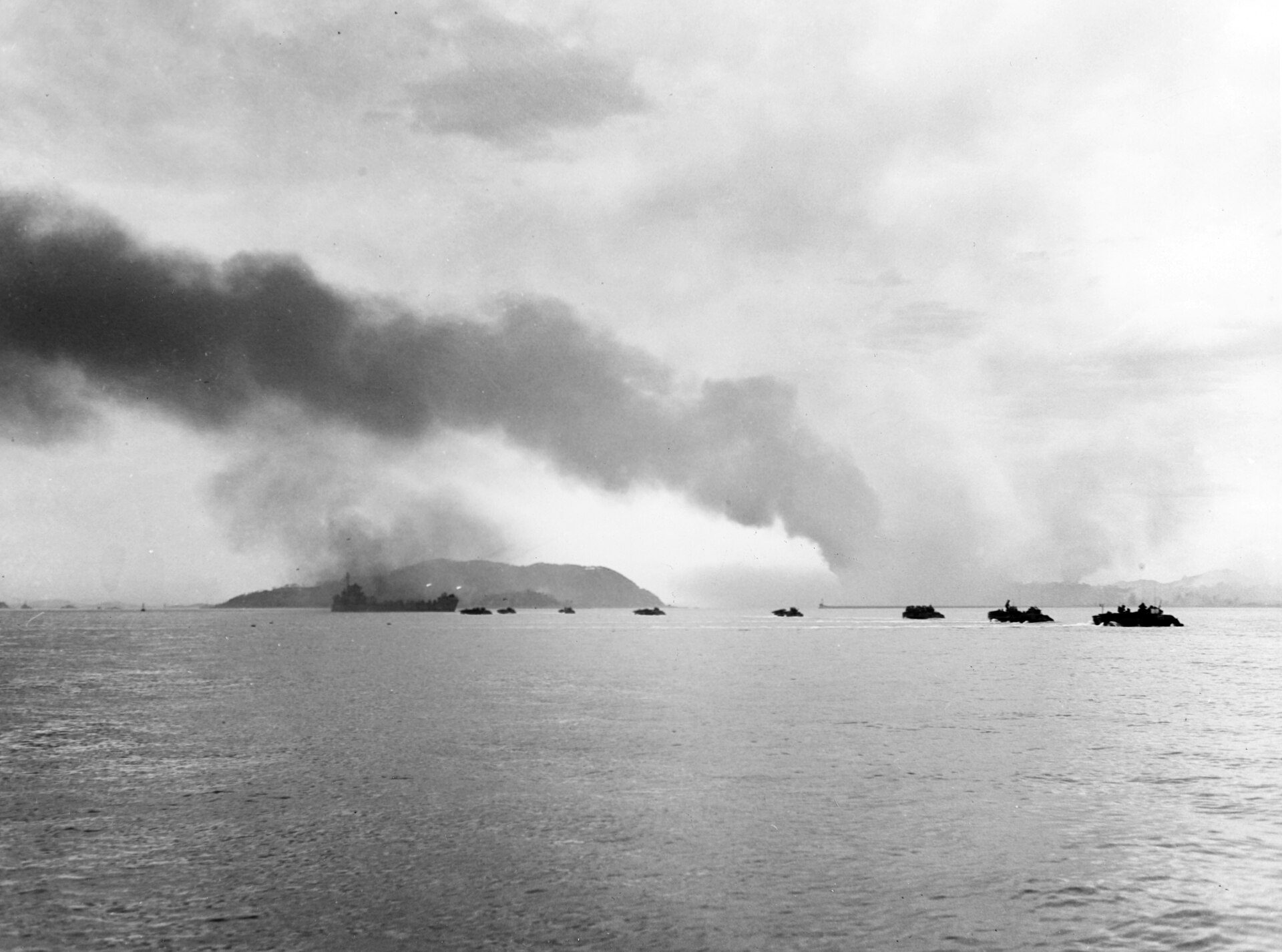
General Douglas MacArthur commanded United Nations forces during the first year of the Korean War. Already famous from the Pacific War and the occupation of Japan, he brought enormous prestige and a willingness to accept operational risk.
He championed the Inchon landing despite objections about tides, channels, and seawalls. Its success strengthened his influence.
Beyond the landing
After North Korean forces retreated, MacArthur supported advancing north. Chinese intervention transformed the campaign and exposed the danger of assumptions about how other powers would respond.
He publicly pressed positions that conflicted with President Harry Truman’s policy of limiting the war.
Civilian control
Truman relieved MacArthur in April 1951. The decision provoked intense controversy but affirmed that military commanders operate under elected civilian authority.
MacArthur’s Korean War story therefore joins tactical brilliance, strategic overreach, and a constitutional principle within one career.
Sources
- U.S. Army, The Korean War
- U.S. Army Center of Military History, Korean War campaigns
- U.S. Army Corps of Engineers, planning the Inchon invasion
Last reviewed September 15, 2026. Report a correction.