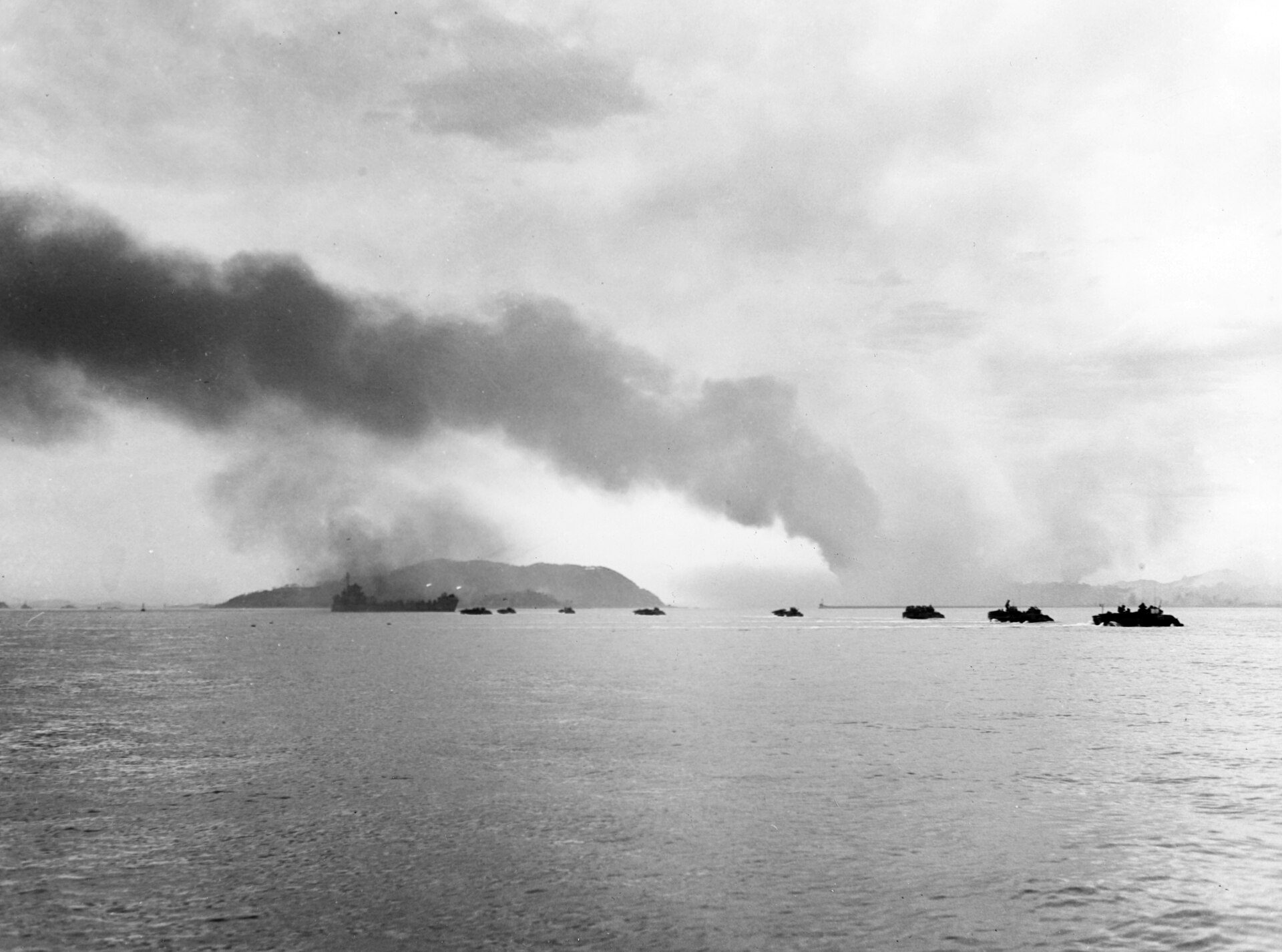
After securing the Inchon beachhead, United Nations forces drove toward Seoul. The city was both a transport center and the South Korean capital, giving its recapture powerful military and political meaning.
North Korean defenders used streets, buildings, barricades, and high ground to slow the advance. River crossings and approaches to the city produced hard fighting.
A deadline and a declaration
MacArthur wanted Seoul restored before the third-month anniversary of the invasion. The city was declared liberated in late September, though fighting and clearance continued around the announcement.
Speed served political theater as well as operations. It also placed troops and civilians inside a destructive urban battle.
A city repeatedly fought over
Seoul would change hands again after Chinese intervention and be retaken in 1951. Its residents endured occupation, reprisals, displacement, bombardment, and shortages.
The liberation following Inchon was a major success, but the city’s repeated suffering resists a simple triumphal narrative.
Sources
- U.S. Army, The Korean War
- U.S. Army Center of Military History, Korean War campaigns
- U.S. Army Corps of Engineers, planning the Inchon invasion
Last reviewed September 15, 2026. Report a correction.