The United Nations Security Council called for assistance to South Korea after the 1950 invasion. A unified command under the United States coordinated forces contributed by multiple countries.
American personnel and resources formed the largest component, while South Korean forces carried a central share of the fighting and other nations supplied combat units, medical teams, ships, and aircraft.
Coalition command
Common objectives did not erase different national policies, capabilities, and political limits. Coordination required compatible plans, communications, logistics, and rules for how forces would be used.
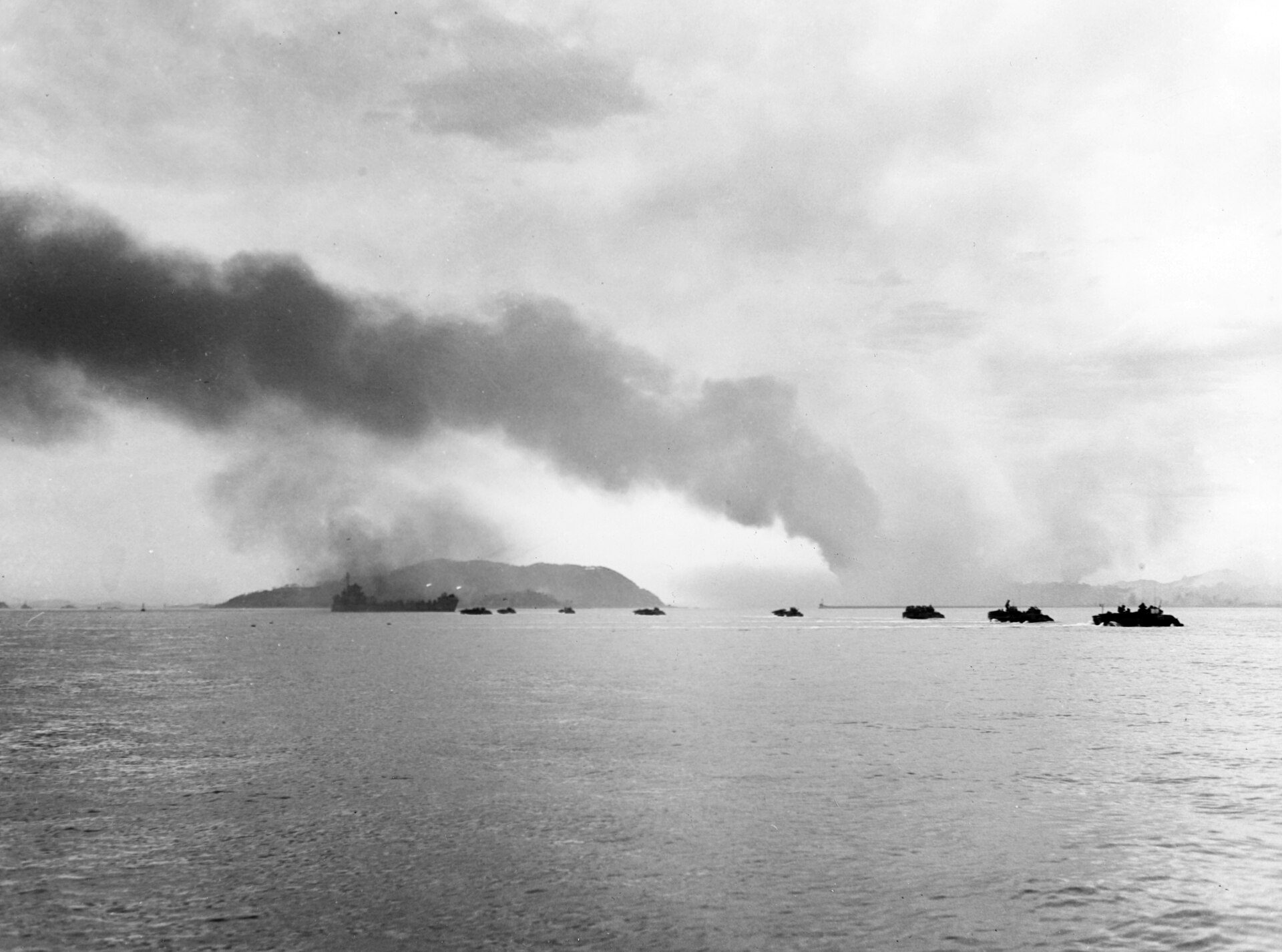
At Inchon, naval, air, ground, engineering, and intelligence contributions had to meet a timetable dictated by tides.
An institution that remained
The armistice was signed by military commanders rather than creating a peace treaty between states. United Nations Command retained responsibilities connected to that agreement.
Its history links the 1950 coalition battlefield to the continuing management of an unresolved conflict.
Sources
- U.S. Army, The Korean War
- U.S. Army Center of Military History, Korean War campaigns
- U.S. Army Corps of Engineers, planning the Inchon invasion
Last reviewed September 15, 2026. Report a correction.