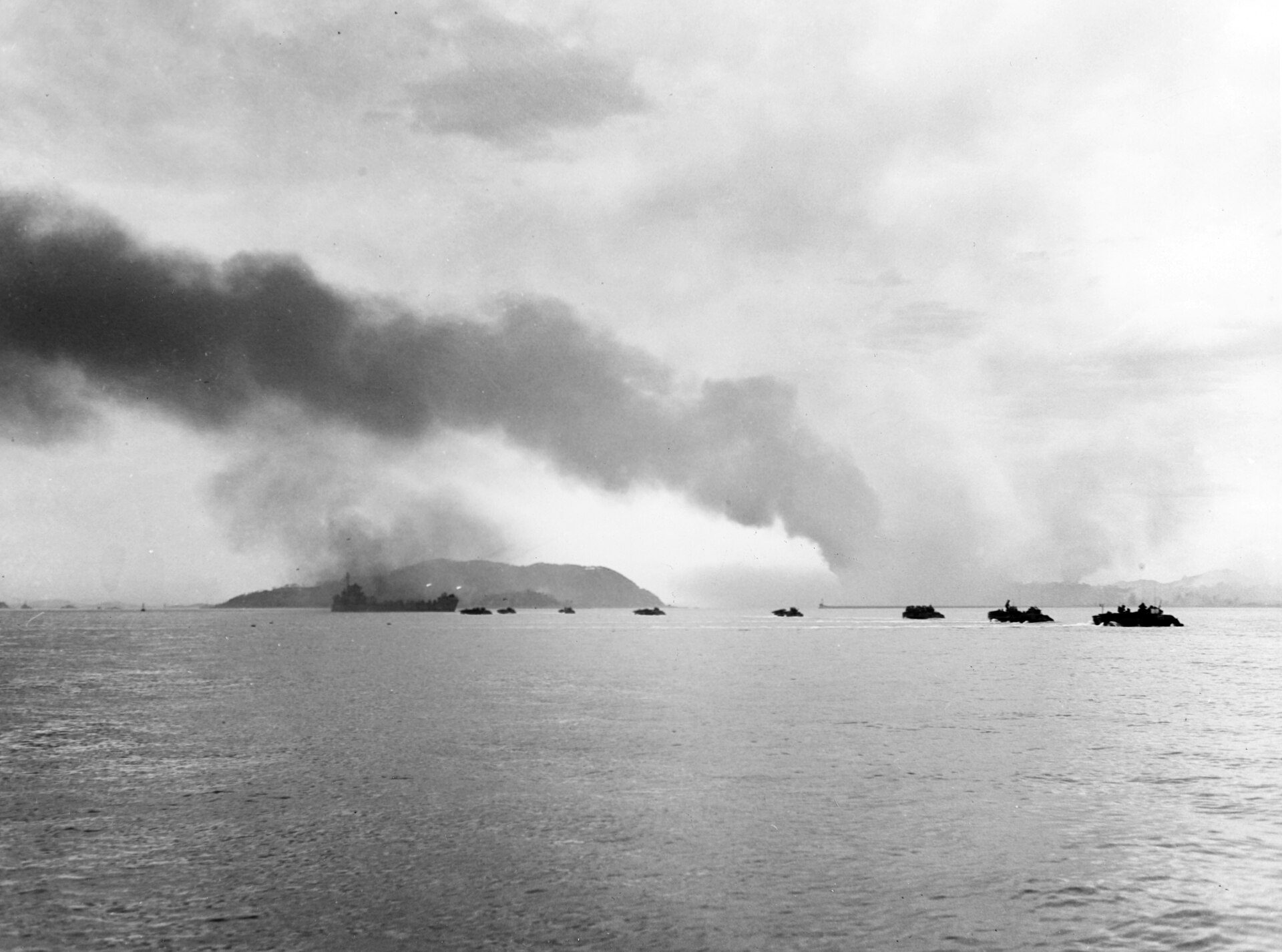
United Nations forces landed at Inchon on September 15, 1950, striking the west coast of Korea far behind the main North Korean front. The operation aimed to seize the port, threaten supply lines, and coordinate with a breakout from the Pusan Perimeter.
Inchon’s geography made the assault hazardous. Extreme tides limited landing windows, mudflats obstructed approaches, and troops had to scale seawalls under the possibility of organized resistance.
Why choose the difficult shore?
General Douglas MacArthur argued that precisely because Inchon looked dangerous, defenders would be less prepared for a major amphibious attack. Naval gunfire, aircraft, intelligence, engineering, and detailed tide calculations supported the gamble.
Marines seized Wolmi-do in the morning and attacked the main landing areas after the tide returned. The beachhead expanded and opened the route toward Seoul.
A victory with consequences
The landing transformed the immediate military situation. North Korean forces facing the Pusan Perimeter now risked being cut off as United Nations troops broke out.
Success also encouraged a drive north of the 38th parallel. Chinese intervention later reversed the advance, showing how an operational triumph could produce strategic confidence that outran political limits.
Sources
- U.S. Army, The Korean War
- U.S. Army Center of Military History, Korean War campaigns
- U.S. Army Corps of Engineers, planning the Inchon invasion
Last reviewed September 15, 2026. Report a correction.