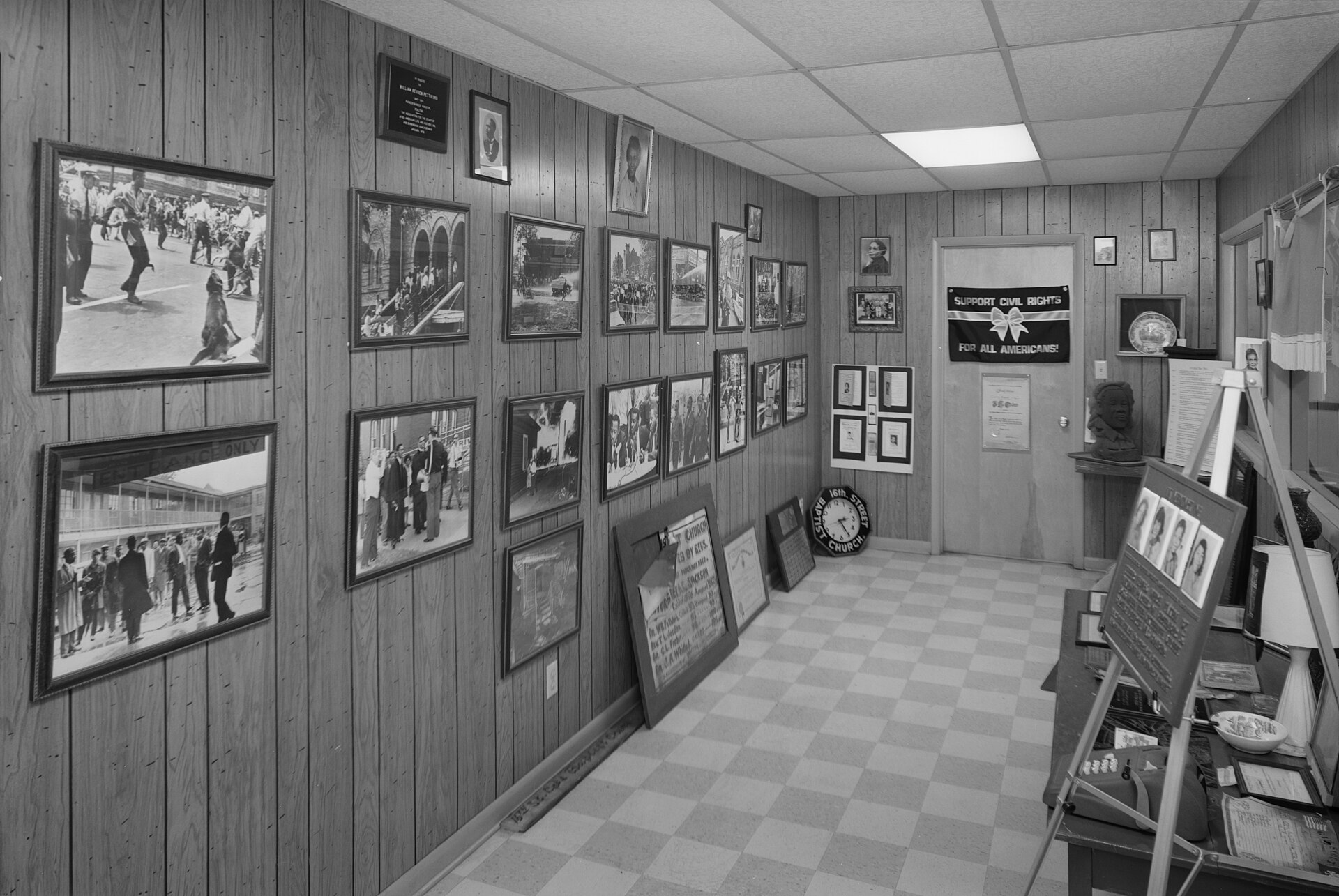
Addie Mae Collins and Carole Robertson were fourteen. Cynthia Wesley was fourteen. Denise McNair was eleven. On September 15, 1963, they gathered at 16th Street Baptist Church for Youth Day.
They were students, daughters, sisters, friends, and members of their community. The bombing ended futures that cannot be recovered by listing political consequences.
Names against abstraction
Public history often calls them “the four little girls,” a phrase that conveys innocence but can also flatten four individuals into one symbol.
Naming each girl resists that flattening. Their photographs, families’ memories, school lives, and communities preserve something more specific than victimhood.
Memory and responsibility
Memorials, museum exhibitions, music, film, scholarship, and annual commemorations have carried their story across generations.
Remembrance also asks what institutions tolerated the environment that made the bombing possible and why justice took decades. Mourning and accountability belong together.
Sources
- National Park Service, 16th Street Baptist Church Bombing
- Federal Bureau of Investigation, Baptist Street Church Bombing
- Library of Congress, Civil Rights Era Timeline
Last reviewed September 15, 2026. Report a correction.