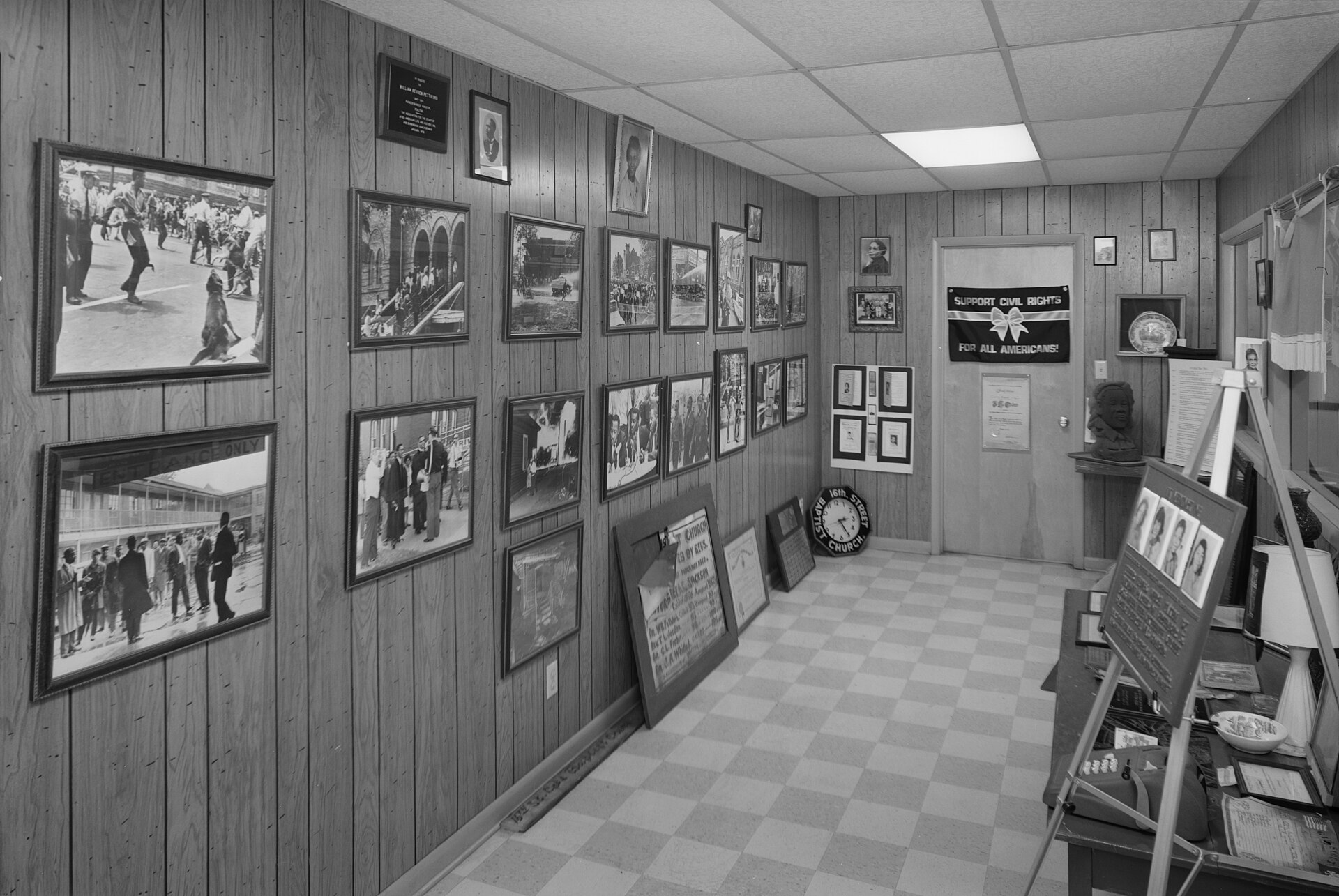
On Sunday morning, September 15, 1963, a dynamite bomb exploded at the 16th Street Baptist Church in Birmingham, Alabama. The church was a major Black congregation and a meeting place for civil rights organizing.
Four girls preparing for Youth Day were killed: Addie Mae Collins, Denise McNair, Carole Robertson, and Cynthia Wesley. Other people were injured, and the attack shocked audiences across the United States and abroad.
Why this church was targeted
Birmingham’s civil rights campaign had challenged segregation through boycotts, marches, and youth demonstrations. The church’s location and organizing role made it a visible center of that movement.
The bombing was not isolated. White supremacist violence and repeated bombings had earned the city the name “Bombingham,” while authorities often failed to protect Black residents or punish attackers.
Justice delayed
Investigators identified suspects, but prosecution stalled for years amid failures of evidence, institutions, and will. Robert Chambliss was convicted in 1977; Thomas Blanton and Bobby Frank Cherry were convicted decades later.
The girls’ deaths became inseparable from the struggle for federal civil rights law. Remembering them requires more than treating tragedy as a catalyst: they were children whose lives were stolen by organized racial terror.
Sources
- National Park Service, 16th Street Baptist Church Bombing
- Federal Bureau of Investigation, Baptist Street Church Bombing
- Library of Congress, Civil Rights Era Timeline
Last reviewed September 15, 2026. Report a correction.