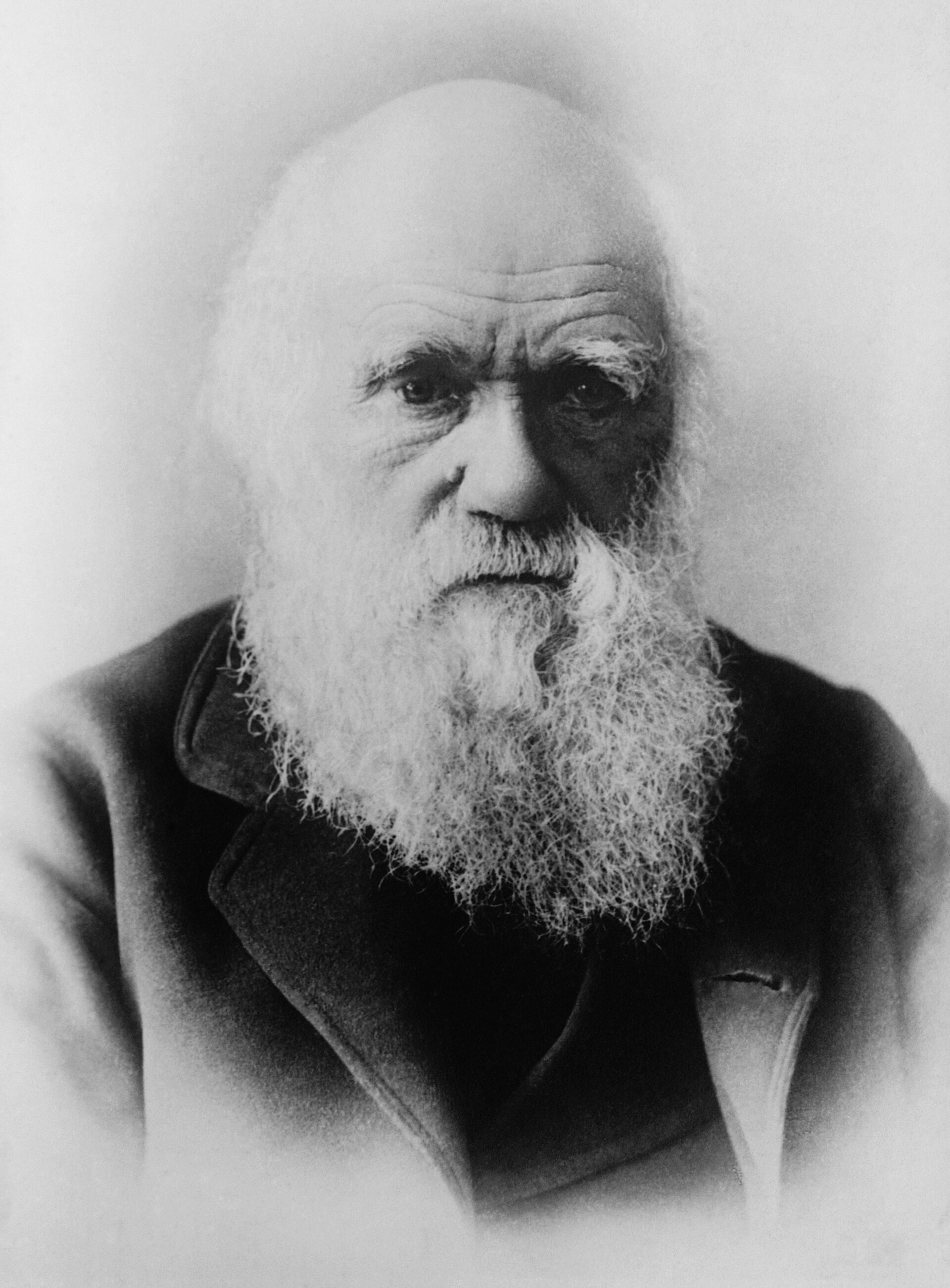
Charles Darwin was twenty-two when HMS Beagle sailed in 1831. He had studied medicine and theology without settling into either profession, but he had developed a serious appetite for geology, natural history, and field observation.
The voyage gave that appetite a planetary scale. Darwin examined fossils in South America, coral reefs in the Pacific, volcanic landscapes, and living species whose distribution raised difficult questions.
A notebook mind
Darwin accumulated evidence before committing to an explanation. He preserved specimens, wrote long notes, corresponded with specialists, and revised interpretations when identifications changed.
That method matters because his theory was not a flash produced by one bird or island. It emerged from years of comparison, reading, breeding experiments, and argument.
Publishing a dangerous idea
By the late 1830s Darwin was sketching evolutionary trees, yet he waited two decades to publish his full case. Alfred Russel Wallace’s independent work helped prompt a joint presentation in 1858.
Darwin’s lasting influence rests not only on the idea of natural selection, but on the breadth of evidence he assembled to make change through time scientifically testable.
Sources
Last reviewed September 15, 2026. Report a correction.