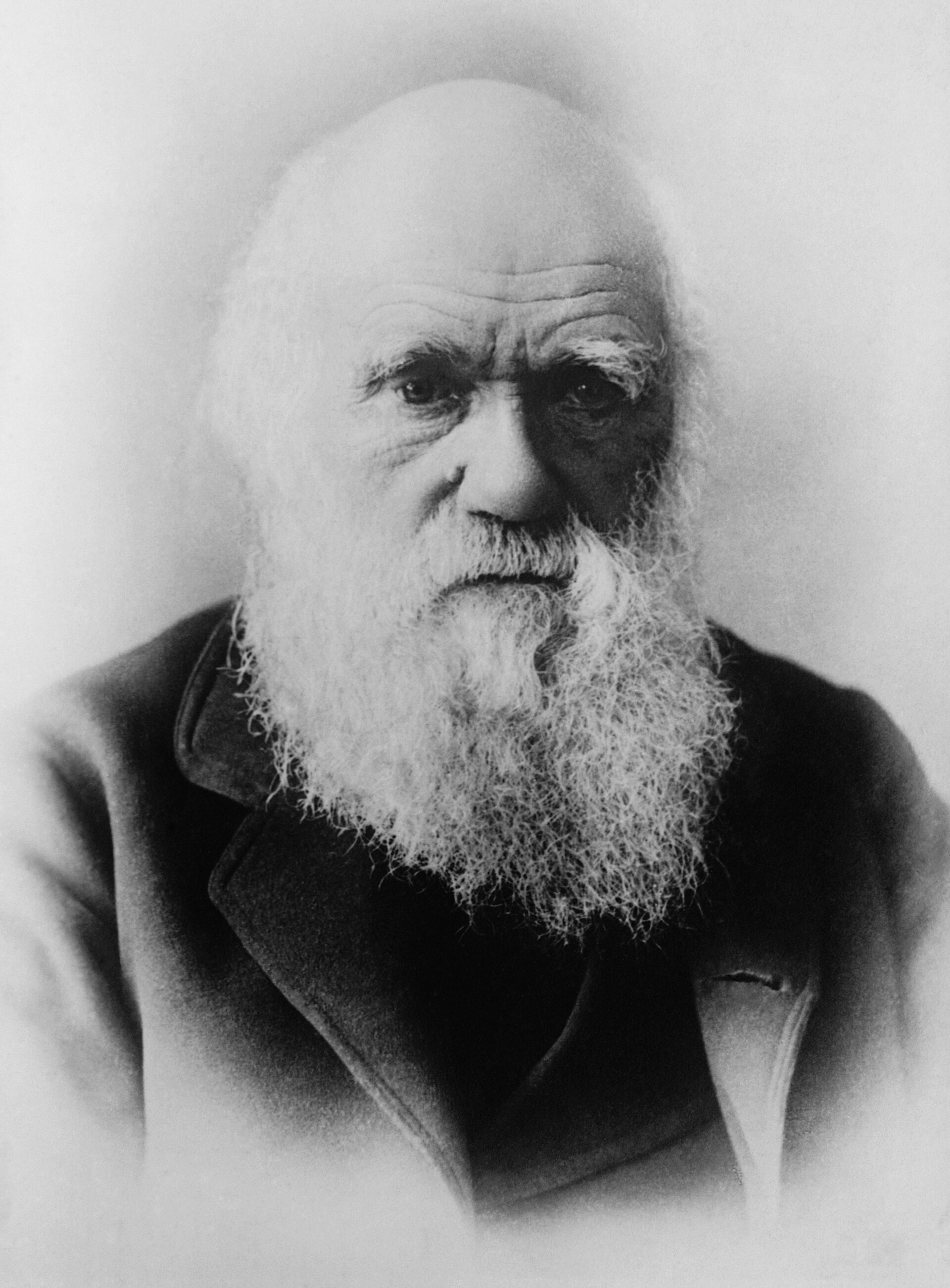
HMS Beagle reached the Galápagos archipelago on September 15, 1835, nearly four years into a surveying voyage around the world. Charles Darwin came ashore as the ship’s young naturalist, collecting specimens and recording differences among islands.
The famous insight did not arrive in one cinematic instant. Darwin’s Galápagos observations became powerful only after specimens were compared, labels were checked, and evidence from the rest of the voyage was placed beside them.
An archipelago of differences
The islands were close enough to share a broad geological origin but isolated enough for populations to diverge. Mockingbirds, tortoises, plants, and later the birds now called Darwin’s finches helped show how local conditions could shape living forms.
Darwin did not yet possess a complete theory of evolution by natural selection. He left the islands with questions, collections, and an increasingly unstable belief that species were fixed.
The long route from specimen to theory
Back in Britain, specialists helped identify what Darwin had gathered. His notebooks gradually turned geographic variation into a larger explanation of descent with modification.
When On the Origin of Species appeared in 1859, the Galápagos was only one part of a global argument. Yet the September landfall became a memorable doorway into the patient, collaborative work behind that argument.
Sources
Last reviewed September 15, 2026. Report a correction.