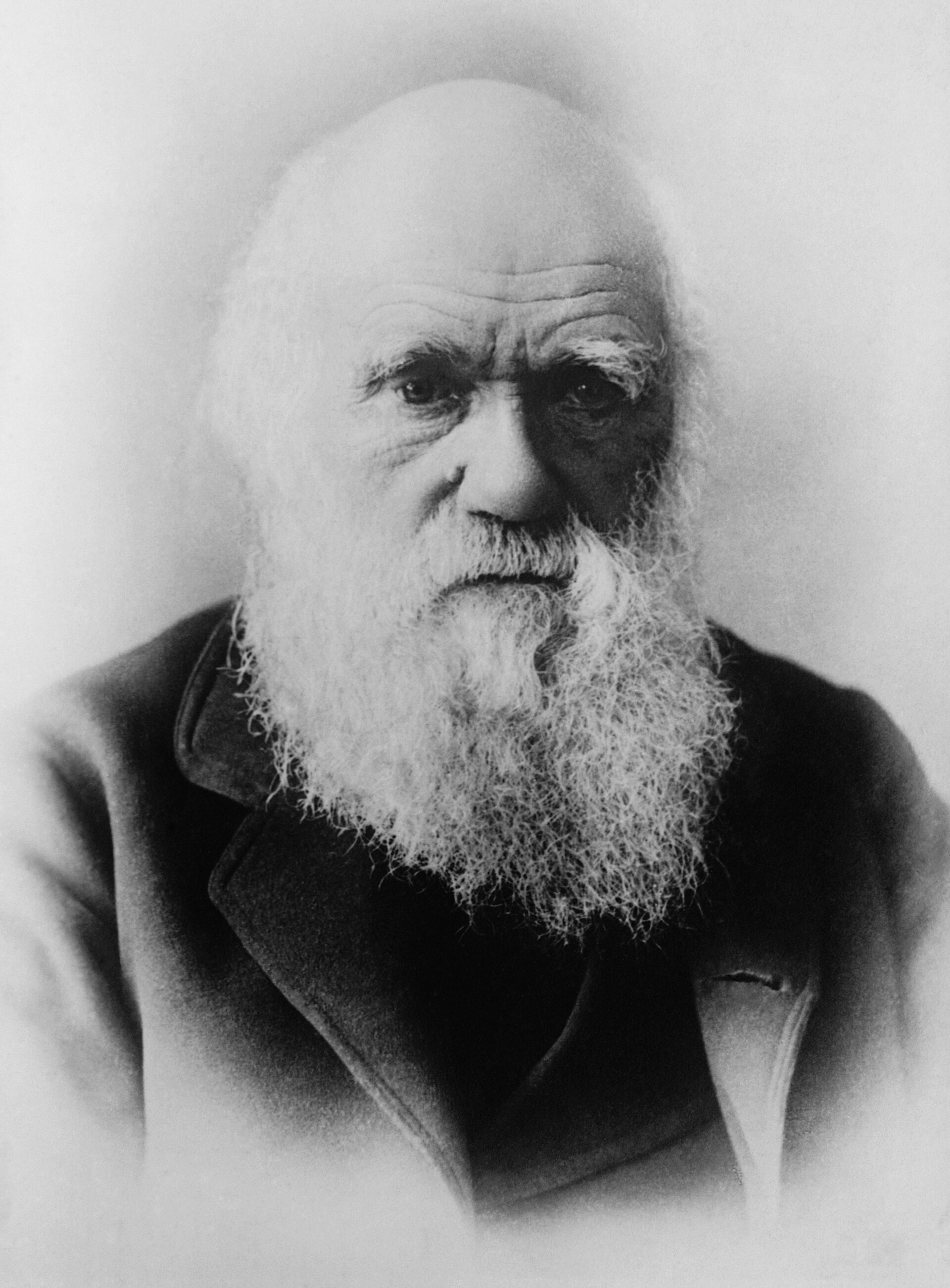
Published in 1859, On the Origin of Species argued that species change over generations and share common ancestry. Natural selection supplied a mechanism: heritable variations that aid survival and reproduction can become more common.
Darwin began with familiar practices of selective breeding, then moved through variation, competition, geography, fossils, classification, and difficult objections.
An argument by accumulation
The book’s force came from convergence. No single pigeon, fossil, or island settled the question. Together, independent lines of evidence made descent with modification the most economical explanation.
The Galápagos appeared as part of the geographic case, not as a magical birthplace of the theory. Darwin had needed years of specialist advice and wider evidence to understand what his specimens could say.
A book that kept changing
Darwin revised later editions in response to criticism and new findings. Some revisions clarified the argument; others reflected unresolved problems in heredity that genetics would address later.
Its central framework transformed biology because it connected diversity, adaptation, extinction, and kinship within one historical process.
Sources
Last reviewed September 15, 2026. Report a correction.