Part of Iguanaverse’s World War II archive.
The sustained bombing known as the Blitz began in September 1940 and continued into 1941. London was attacked repeatedly, while ports and industrial cities across Britain also suffered major raids.
Night offered bombers protection from fighters but sharply reduced accuracy. Urban areas became targets and navigation errors spread destruction beyond intended objectives.
Civil defense under pressure
Air-raid warnings, shelters, blackout rules, fire services, rescue teams, hospitals, and volunteer organizations shaped civilian survival. Experiences differed greatly by neighborhood, housing, and access to protection.
The language of collective resilience can hide grief, displacement, inequality, and exhaustion. Endurance was real because the damage was real.
Connected to September 15
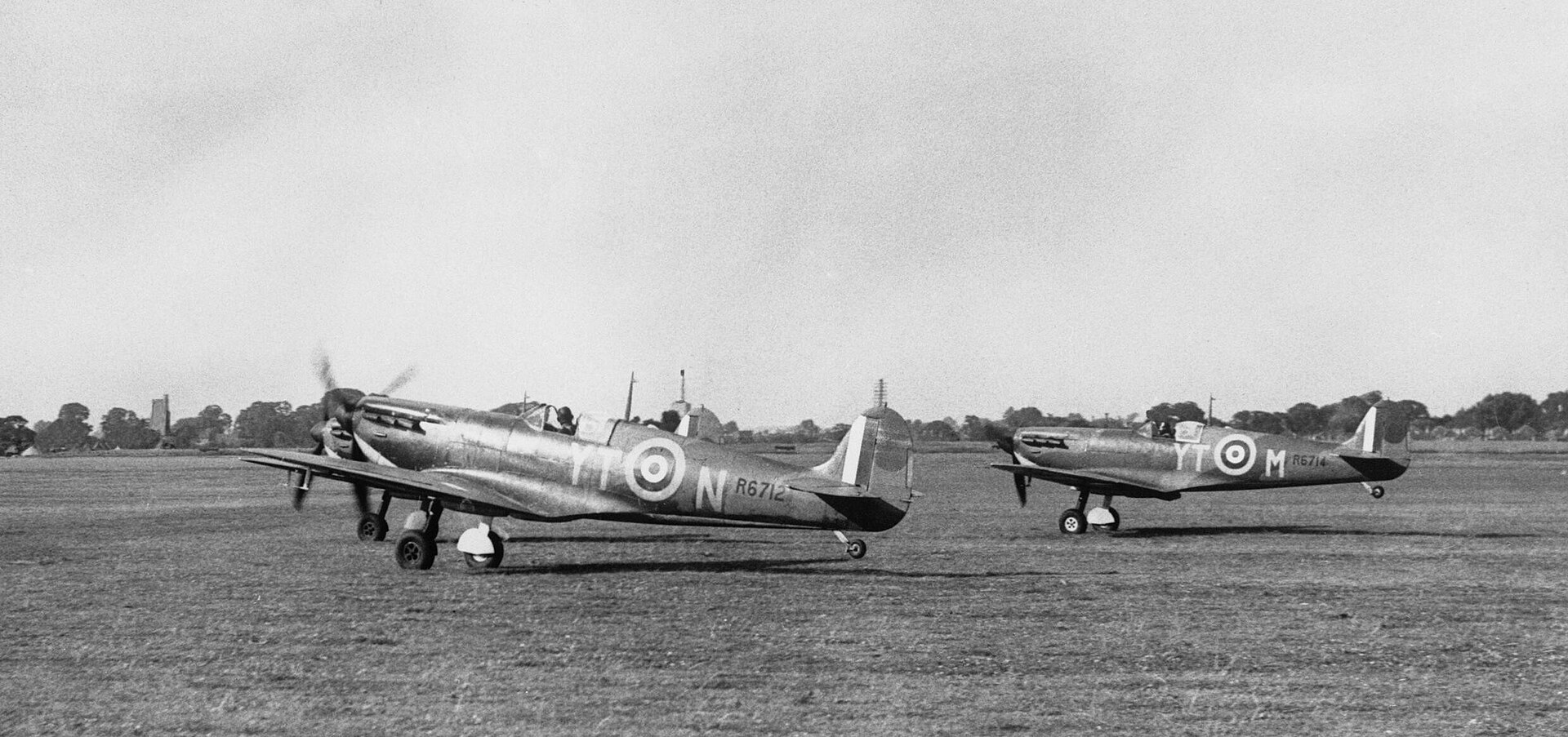
Battle of Britain Day demonstrated that large escorted daylight raids remained costly and uncertain. The growing emphasis on night bombing did not follow from one date alone, but it reflected the Luftwaffe’s difficulty defeating Fighter Command by day.
The Blitz widened the air war’s human geography. The front line now ran through streets, stations, docks, factories, and homes.
Sources
- Royal Air Force Museum, 15 September 1940
- Royal Air Force, Battle of Britain anniversary
- Royal Air Force Museum, Battle of Britain phase three
Last reviewed September 15, 2026. Report a correction.