Part of Iguanaverse’s World War II archive.
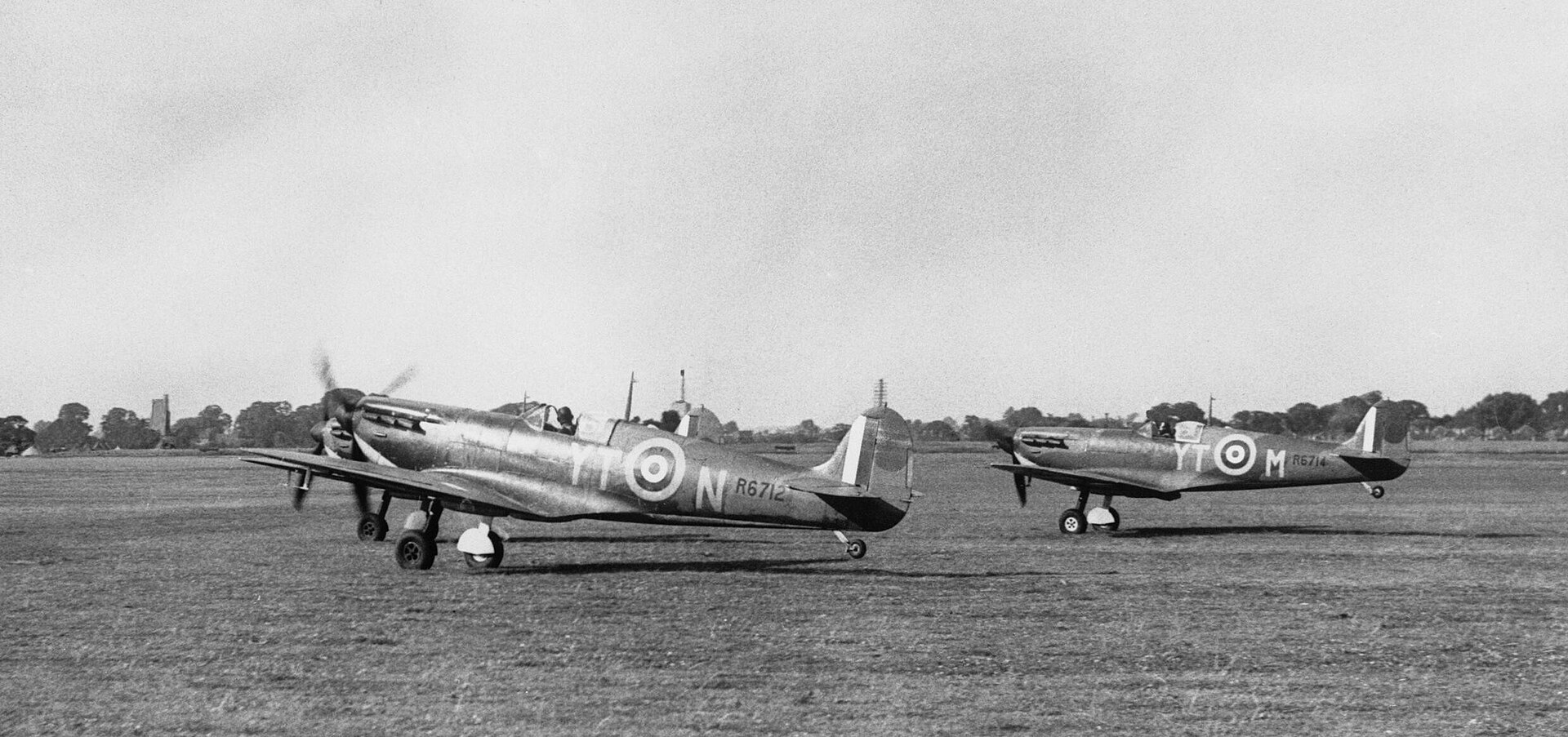
The Battle of Britain was fought over southern Britain in the summer and autumn of 1940 after the fall of France. Germany sought to weaken the Royal Air Force and create conditions for invasion or political pressure.
Fighter Command answered with an integrated warning and control network. Radar stations detected approaching formations, the Observer Corps tracked them inland, and operations rooms directed limited squadrons where they were needed.
The value of information
The system conserved aircraft and pilots by reducing aimless patrols. It was imperfect, vulnerable, and dependent on communications, but it gave defenders a practical advantage over attackers crossing the Channel.
Airfields, maintenance crews, anti-aircraft units, factories, rescue services, and intelligence all contributed. The famous fighter duel sat at the visible tip of a much larger organization.
A campaign of changing targets
The Luftwaffe attacked shipping, radar sites, fighter airfields, industry, and cities at different phases. These shifts changed pressure on Fighter Command and complicated later arguments about turning points.
September 15 showed that the defensive system still functioned. Britain’s survival did not end the war, but it prevented Germany from obtaining the control of the air it needed.
Sources
- Royal Air Force Museum, 15 September 1940
- Royal Air Force, Battle of Britain anniversary
- Royal Air Force Museum, Battle of Britain phase three
Last reviewed September 15, 2026. Report a correction.