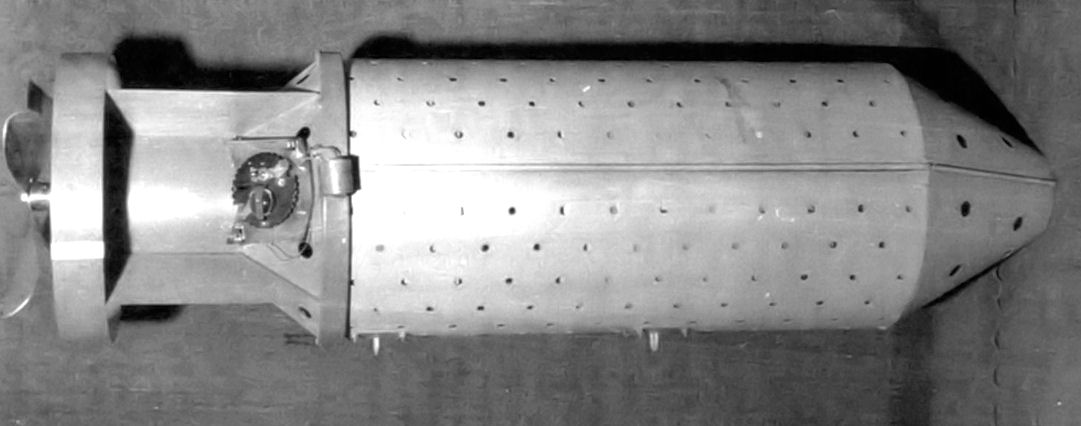
Part of Iguanaverse’s World War II archive.
The idea reached the White House in January 1942. Dentist Lytle S. Adams proposed using bats to carry small timed incendiaries into the timber-and-paper buildings of Japanese cities.
The animals would be cooled into hibernation, packed into a parachute canister, and released in the air before dawn. As they warmed and dispersed, the bats would seek dark spaces beneath roofs. The delayed devices would then ignite many small fires at once.
Project X-Ray
President Franklin D. Roosevelt passed the proposal to military planners. The project moved through several organizations and eventually became known as Project X-Ray. Mexican free-tailed bats were selected because they were abundant, small, and able to carry more than their own weight for short distances.
When the test became real
During testing in New Mexico in 1943, armed bats were accidentally released. Some roosted beneath buildings at the auxiliary airfield, and the resulting fire destroyed structures—an unintended demonstration that the central mechanism could work.
Promising, complicated, and too late
Trials suggested the concept could start dispersed fires, but keeping the animals dormant, releasing them at the right altitude, and controlling the timing remained difficult. The Navy ended the project in 1944 as other weapons programs promised faster results.
No bat bomb was used in combat. Its story survives because the scheme was neither a joke nor a sketch: it became a funded weapons program, complete with specialized incendiaries, aircraft tests, and a remarkable accidental fire.
Sources
- U.S. Air Force Test Center, Bat Bomb photograph and release notes
- Wikimedia Commons, Bat Bomb Canister image record
Last reviewed September 14, 2026. Report a correction.